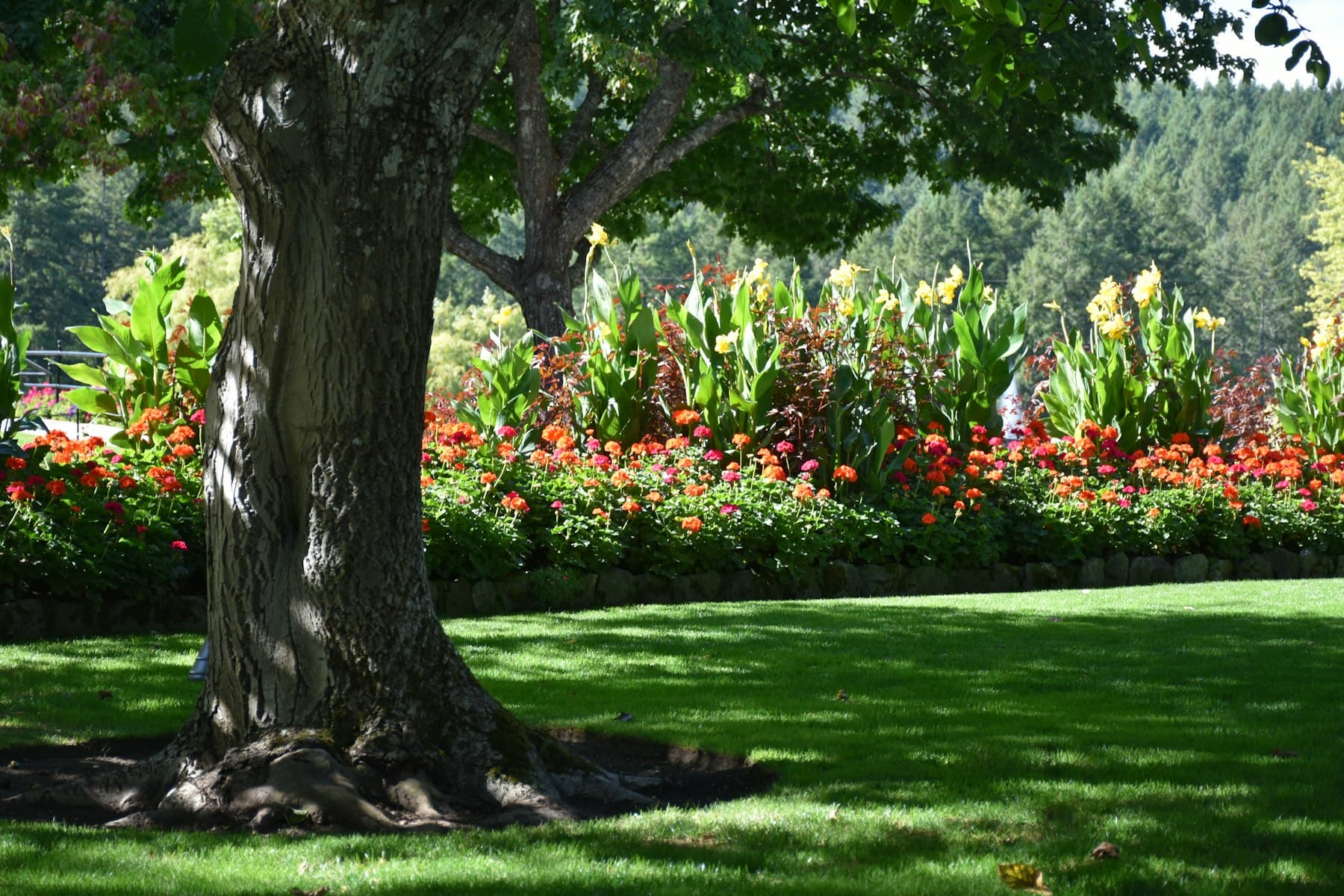
Mulch & Watering: Getting It Right in Utah
How much, how often, and what mulch to use in a high-desert climate that evaporates water fast.
6 min read · Updated June 25, 2026
In a high-desert climate that evaporates water fast and soil that drains slowly, two habits do more for plant health than anything else: watering deep and infrequent, and keeping a real layer of mulch on the ground. Get these right and your plants grow deeper roots and drink less. Here's how to do both on Utah's terms.
Every 10–14 days
Deep soak for established plants in clay
3 in
Mulch depth over beds and trees
Off the trunk
Never pile mulch against bark
Early AM
Water before heat and wind
Deep and infrequent beats daily sprinkles
The instinct in a dry climate is to water more often. With Utah clay, that backfires. Clay holds moisture far longer than sandy soil, so frequent light watering keeps the surface soggy while roots stay shallow — clustered near the top where they cook on the first hot day. A long, deep soak that wets the full root zone, followed by a dry-down before the next watering, pushes roots downward into cooler, more stable soil and builds genuinely drought-tough plants.
The reason this matters so much here is evaporation. Hot, dry, windy summers pull moisture out of bare soil and off wet foliage quickly. Anything you can do to keep water in the root zone — deep watering, drip delivery, and mulch — directly cuts how much you need to apply.
Mulch: 3 inches, never against the trunk
Mulch is the cheapest water-saving tool in the yard. A roughly 3-inch layer shades the soil, slows evaporation, moderates soil temperature against our swings, suppresses weeds, and — with organic mulches — slowly feeds the soil as it breaks down. Less than that doesn't do much; a great deal more can keep soil waterlogged or short of air.
Wood vs. rock mulch in Utah
Both have a place; the trade-offs decide where each belongs.
| Wood / bark mulch | Rock mulch | |
|---|---|---|
| Soil benefit | Breaks down and feeds the soil over time | None — inert, adds nothing organic |
| Moisture & temperature | Holds moisture, keeps roots cooler | Absorbs and radiates heat, can warm and dry soil |
| Longevity | Decomposes; top up every year or two | Lasts indefinitely |
| Best for | Planting beds, around trees and shrubs | Hot low-water zones, modern designs, park strips |
A common Utah approach uses wood mulch in planting beds and around trees, where soil-building and moisture retention matter most, and reserves rock for hot, low-water accent areas — keeping in mind that rock near plants raises soil temperature and can add heat stress. Match the mulch to the plant's needs, not just the look.
Mulch and watering FAQ
How often should I water established plants in Utah?
Why is daily watering bad for clay soil?
How much mulch should I use, and where?
Wood mulch or rock mulch — which is better in Utah?
When is the best time of day to water in Utah?
Horticulture and timing guidance per USU Extension. Verified June 2026.
Who publishes this guide
This site is researched and published by Xperience Landscaping, a landscaping company based in Midvale, UT serving the Salt Lake Valley & Utah County. We write it because we install this work every week — and because no one had pulled Utah's scattered, often-outdated landscaping information into one honest place. Figures are verified against primary sources and dated; we'll always tell you to confirm a rebate or code with your district or city before you rely on it.
Keep reading
 Cornerstone
Know-How
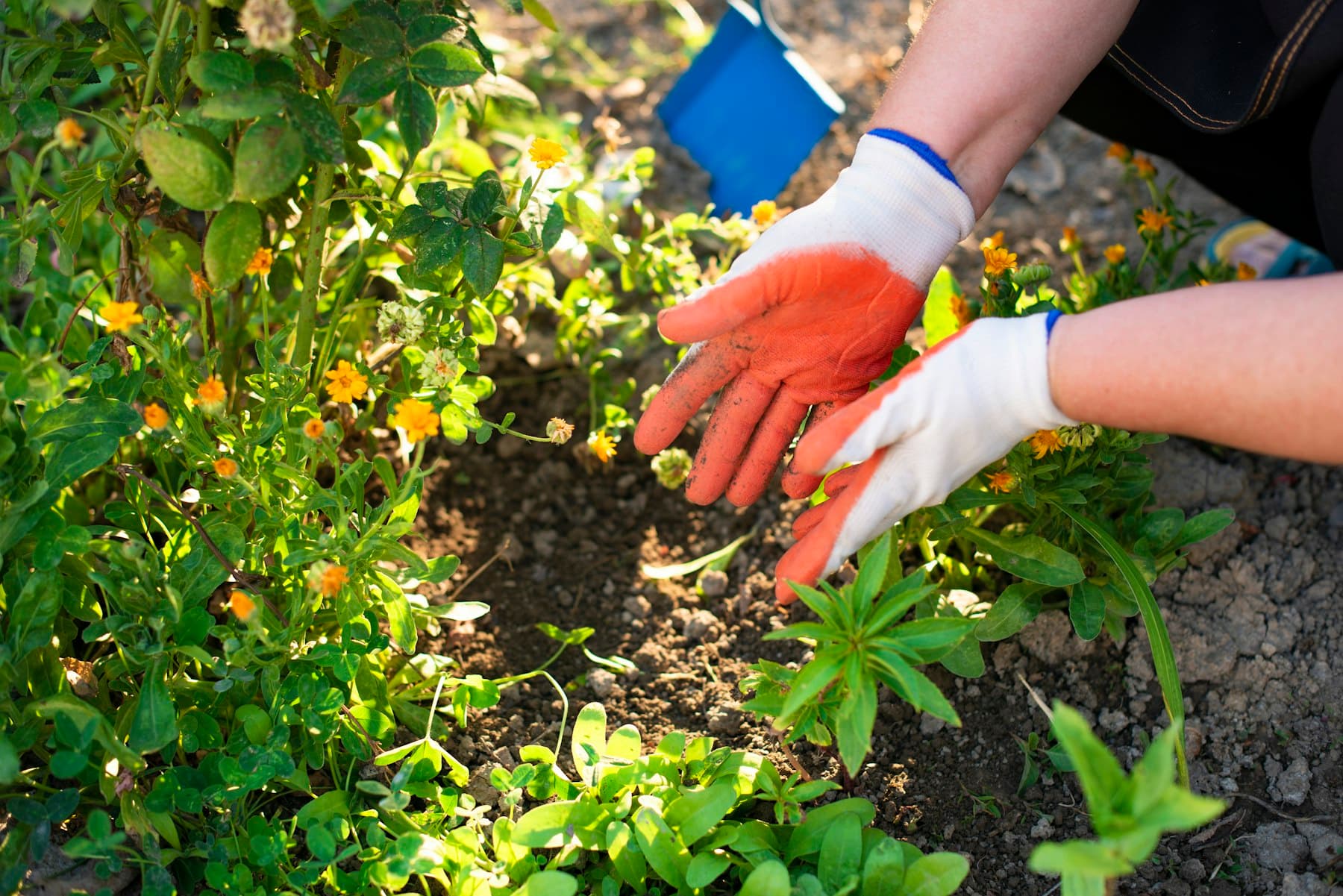
How to Fix Utah Clay Soil
Why our alkaline clay drowns roots — and the amendment plan that actually works (hint: not sand).
8 min read
Know-How
When to Plant in Utah: A Month-by-Month Calendar
Frost dates, soil temps, and the right window for trees, perennials, bulbs, and seed on the Wasatch Front.
7 min read
Know-How
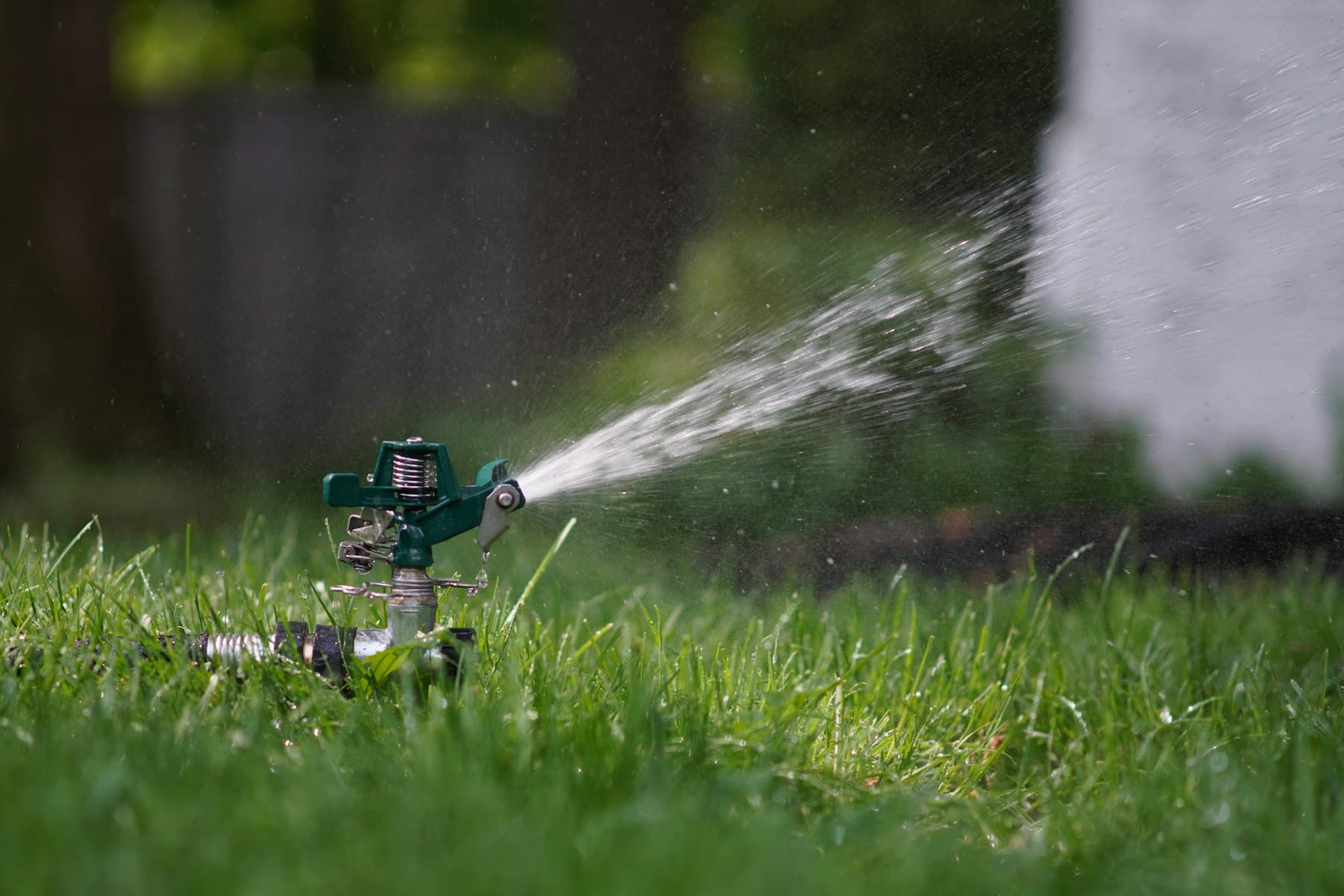
Drip Irrigation Basics for Utah Yards
Why drip is the backbone of every water-wise Utah yard — and a rebate prerequisite — explained simply.
8 min read
From the team behind this guide
Ready to build it?
This guide is published by Xperience Landscaping, a landscaping company serving the Salt Lake Valley & Utah County. If you want a real plan and a quote for your yard, we're happy to help.