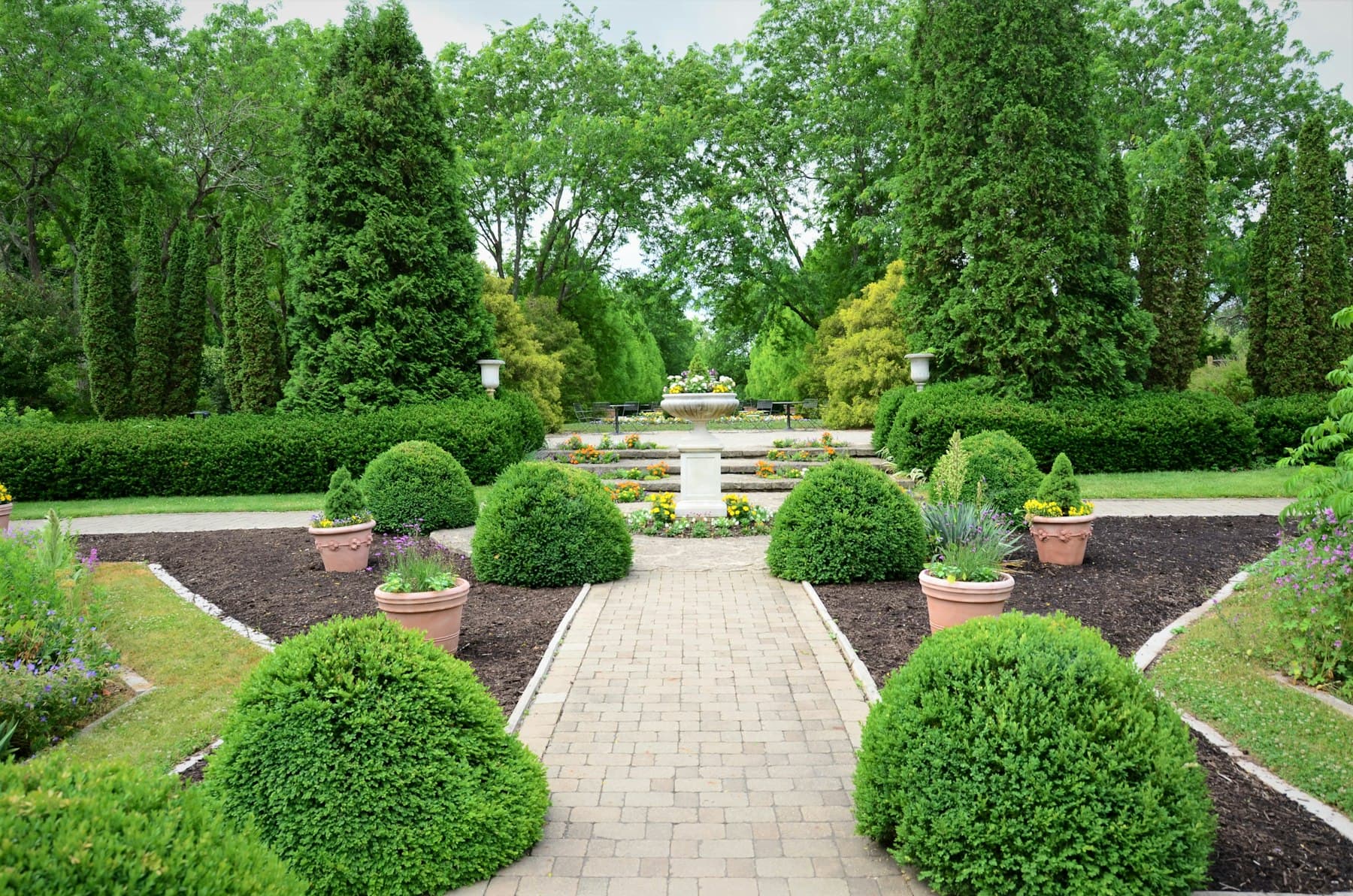
New-Construction Landscaping in Utah
Bare-dirt lot in Eagle Mountain, Saratoga Springs, or Lehi? The pre-occupancy deadlines, phasing order, and soil step builders skip.
12 min read · Updated June 25, 2026
If you just closed on a new build in Eagle Mountain, Saratoga Springs, or Lehi, you're looking at a blank slate of bare dirt — and probably a city deadline you didn't expect. This is the guide to doing it in the right order, on Utah's terms: the pre-occupancy rules, the soil step builders skip, and how to phase the spend without paying twice.
1,556
Eagle Mountain permits in 2024 — #1 in Utah
30–36 in
Wasatch frost line for footings
$2,000
Typical Eagle Mtn landscaping escrow if unfinished
Phase 1
Grading, drainage & irrigation come first
The deadline most new owners miss
Utah's new-construction boom is concentrated in Utah County — Eagle Mountain led the entire state with 1,556 residential permits in 2024, with Saratoga Springs and Lehi close behind. Many of these cities now tie front-yard landscaping to your certificate of occupancy to keep neighborhoods from filling with dirt lots.
The practical takeaway: don't treat landscaping as a someday project. On many Utah County lots the front yard is on the closing clock, which makes a phased plan — front first, back later — the natural strategy.
Start with the soil, not the sod
The single biggest mistake on a new Utah lot is laying sod over what the builder left behind. During construction, crews strip the topsoil, compact the subsoil with heavy equipment, and spread back a thin skim of soil mixed with construction debris. Underneath is dense, alkaline Wasatch clay that sheds water and starves roots of oxygen.
Before anything green goes in, the lot needs de-compaction and real organic amendment — several inches of compost tilled into the top 8–12 inches, not a dusting raked over hardpan. This one step decides whether your plants thrive or limp along yellow and stunted. See our guide to fixing Utah clay soil for the amendment plan.
The right order of operations
Do the disruptive, hard-to-redo work first. Everything below the surface and anything involving heavy equipment belongs in the early phases — you do not want to trench an irrigation mainline through a finished lawn next year.
Grade & drainage
Establish positive slope away from the foundation (a minimum 2% fall for the first 10 feet) and solve any low spots before they become standing water against your new house.Irrigation mainline & sleeves
Run the mainline and sleeve under any future patios or walkways now. Retro-sleeving through finished hardscape is painful and expensive.Soil prep
De-compact and amend planting areas with compost. Thin builder topsoil is not a growing medium on its own.Hardscape
Patios, walkways, and walls go in before planting so equipment and base material don't damage new beds. Build to Utah freeze-thaw spec.Planting & beds
Trees first (they're the backbone), then shrubs, perennials, and groundcover, all on drip. Choose plants proven for our zones.Lawn or lawn alternative
Sod or seed the front to meet the city deadline; in back, consider a water-wise design that qualifies for a rebate.
A front-first, water-wise plan
Because the front yard is usually the one on a city clock, treat it as phase one — and make it count. A clean, water-wise front bed with a few well-placed trees, ornamental grasses, and a tidy lawn or lawn alternative satisfies the ordinance, survives our climate, and may qualify for a turf-removal rebate if you keep lawn minimal. New, exposed Utah County lots are hot and windy, so lean on tough, established-fast plants — our Lehi / Saratoga low-water palette is built for exactly these conditions.
| Phase | What | Why now |
|---|---|---|
| 1 — Front (pre-occupancy) | Grade, drip, front beds + minimal lawn, 1–2 trees | Meets the city deadline; sets the irrigation backbone |
| 2 — Back structure | Patio, drainage, mainline extension, screening trees | Heavy equipment and base work before anything's planted |
| 3 — Back planting | Beds, lawn alternative, fire feature or pergola | Build out living space once structure is set |
| 4 — Refinements | Lighting, water feature, edging, mulch top-up | Low-disruption finishing touches |
Don't leave the rebate on the table
A new build is the ideal time to design water-wise from day one rather than ripping out a lawn later. Most Utah districts require a pre-approval site visit before you install, so check eligibility while the yard is still dirt. Our Utah water rebate guide covers what each district pays and how to qualify.
New-construction landscaping FAQ
Do I have to landscape a new-construction home in Utah by a deadline?
Why is the soil on my new lot so bad?
How much does it cost to landscape a new-construction yard in Utah?
Should I do everything at once or phase it?
Permit counts: Kem C. Gardner Policy Institute and city building-department reporting (2024). Pre-occupancy landscaping requirements vary by city and change — confirm current rules with your municipality. Build standards per Utah freeze-thaw practice. Verified June 2026.
Who publishes this guide
This site is researched and published by Xperience Landscaping, a landscaping company based in Midvale, UT serving the Salt Lake Valley & Utah County. We write it because we install this work every week — and because no one had pulled Utah's scattered, often-outdated landscaping information into one honest place. Figures are verified against primary sources and dated; we'll always tell you to confirm a rebate or code with your district or city before you rely on it.
Keep reading
 Cornerstone
Projects
Park-Strip Conversion (Utah's New Rules)
New lawn is now banned in many Utah park strips. What you can plant, what the rebate pays, and how to do it right.
9 min read
Projects
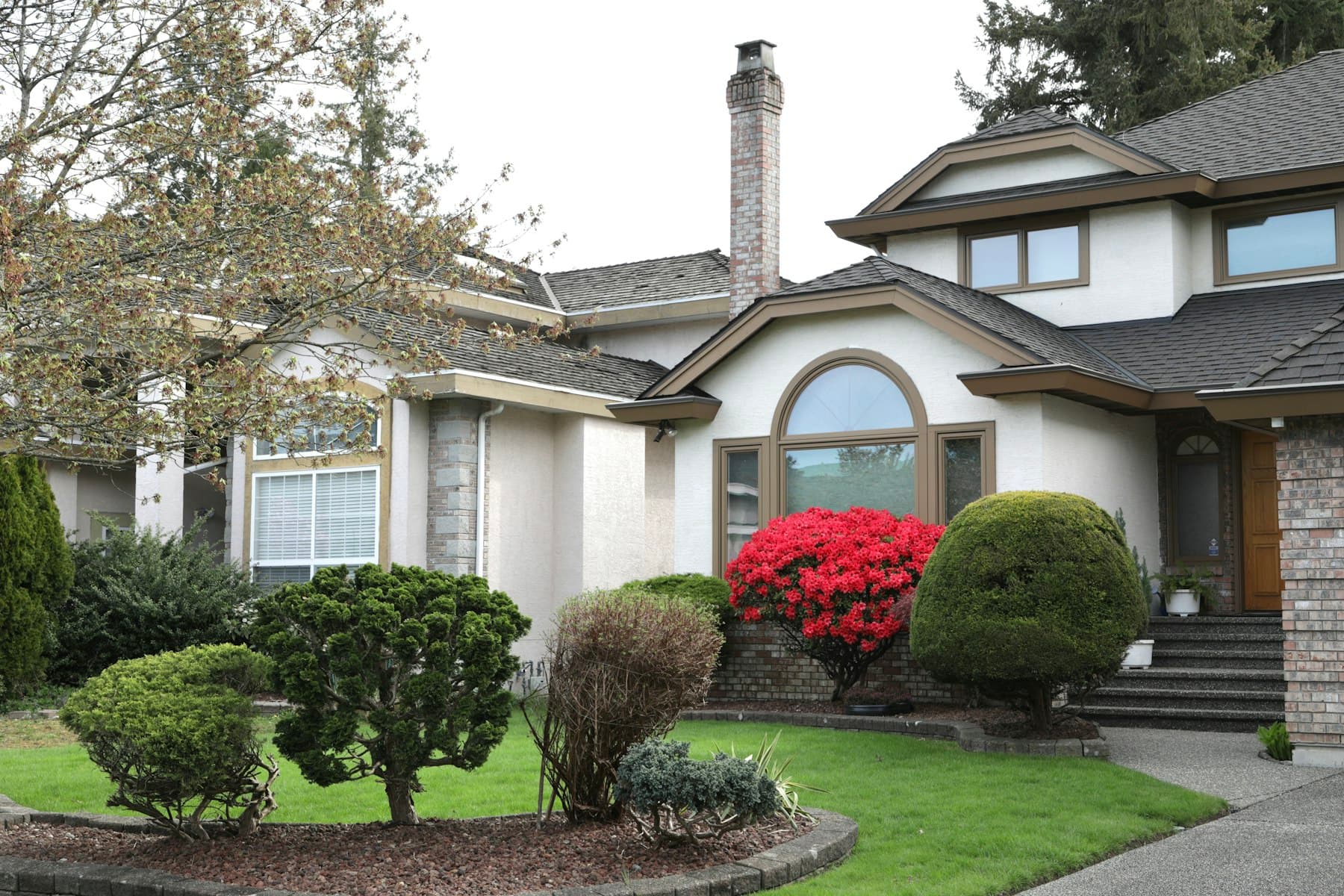
Front-Yard Makeovers in Utah
The highest-return yard project in Utah: curb appeal, water savings, and a sequence that keeps it on budget.
8 min read
Projects
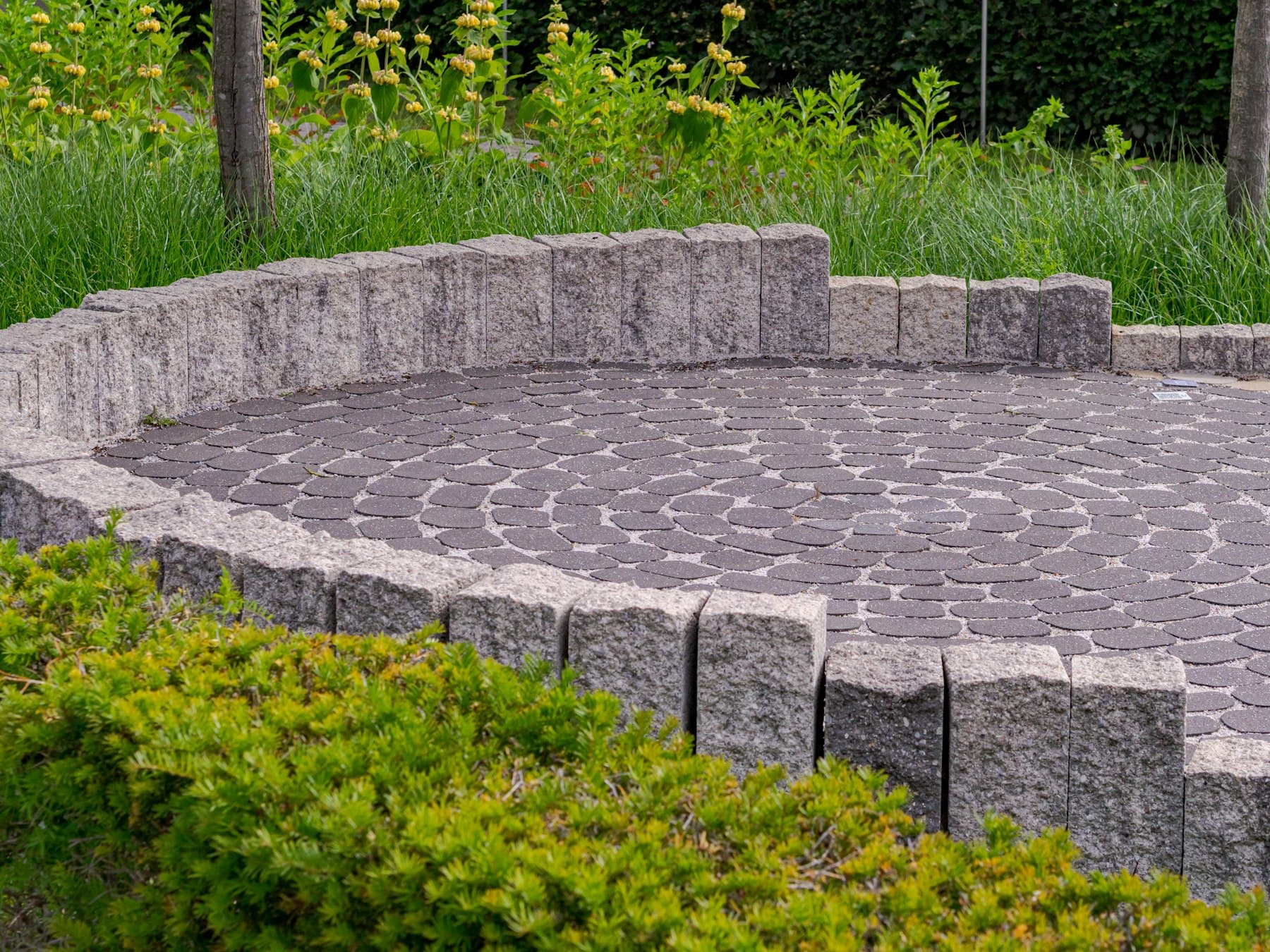
Backyard Outdoor Living: Patios, Pergolas & Fire
Patios, pergolas, fire features and outdoor kitchens — the Utah build details (frost depth, drainage) that make them last.
10 min read
From the team behind this guide
Ready to build it?
This guide is published by Xperience Landscaping, a landscaping company serving the Salt Lake Valley & Utah County. If you want a real plan and a quote for your yard, we're happy to help.