Utah Landscaping Trends for 2026
Outdoor rooms over open lawn, porcelain pavers, smart irrigation, and the water-wise shift reshaping Wasatch Front yards.
7 min read · Updated June 25, 2026
Utah yards are changing fast — and not because of fashion. Drought, water rebates, freeze-thaw winters, and shrinking lot sizes are all pushing in the same direction: less open lawn, more defined living space, and materials and plants that actually survive here. These are the trends shaping Wasatch Front landscapes in 2026, and why each one fits Utah specifically.
Outdoor rooms
Defined zones replacing open lawn
Porcelain pavers
Freeze-thaw-friendly hardscape
Water-wise
The default, not the exception
Smart irrigation
Drip + weather-based control
Outdoor rooms replace the open lawn
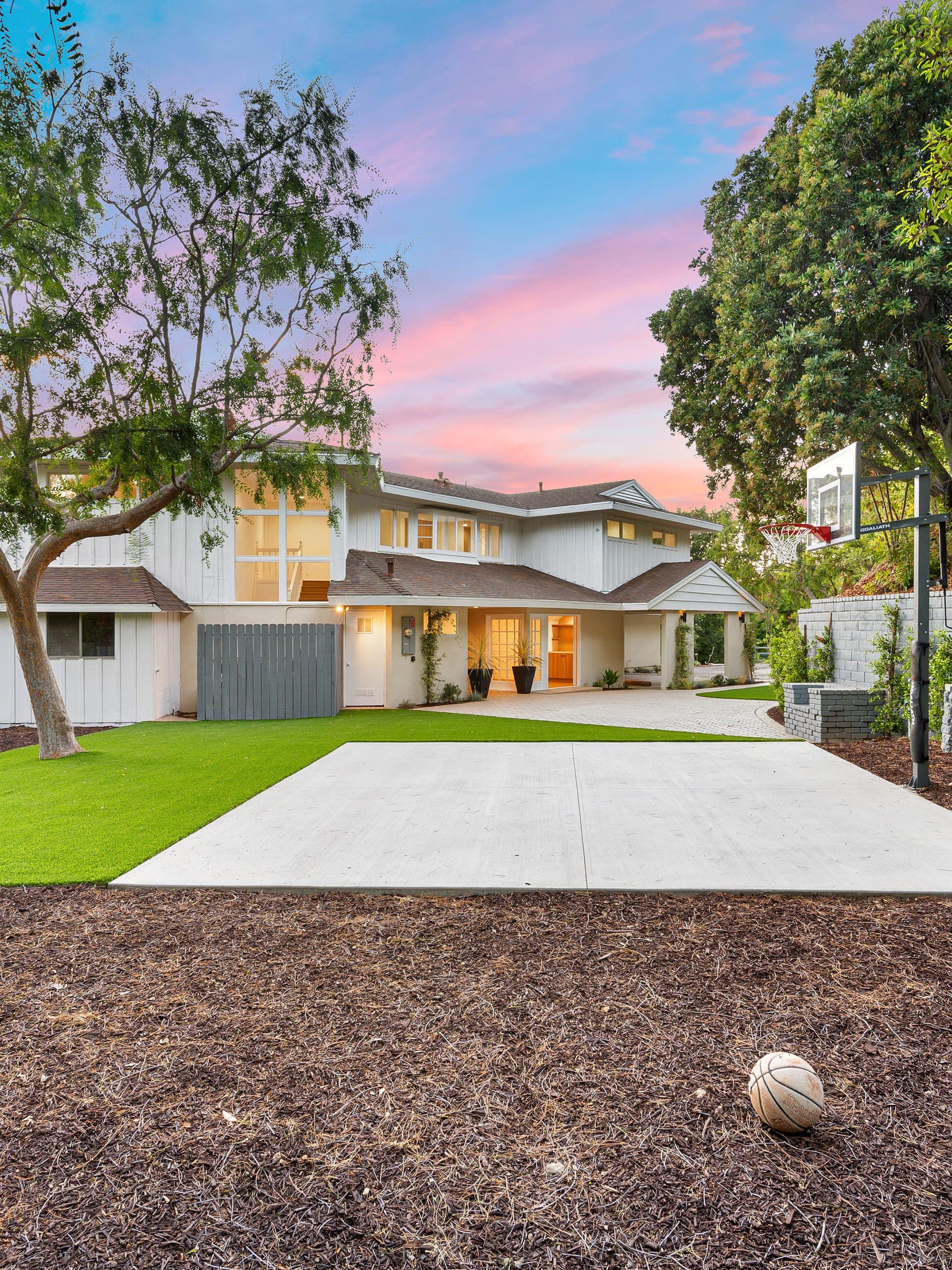
The single clearest shift is conceptual: instead of one undefined sweep of grass, yards are being broken into outdoor rooms — a patio for lounging, a dining area near the kitchen door, a fire zone for cooler evenings. Each room gets its own surface, lighting, and edge, the way an interior floor plan does.
This fits Utah well for two reasons. First, our long shoulder seasons and cool mountain evenings reward a sheltered fire or dining space you'll use from April into October. Second, as lots shrink across Utah County, carving a yard into purposeful zones gets far more use out of a small footprint than a token rectangle of lawn nobody walks on. If you're starting from bare dirt on a new build, our new-construction landscaping guide walks the order to build these rooms in.
Porcelain and large-format pavers over stamped concrete
On the hardscape side, large-format porcelain and concrete pavers are displacing stamped concrete. The reason is almost entirely climate. A stamped-concrete slab is a single rigid pour; when Utah's freeze-thaw cycle works water into hairline cracks and expands it, the slab spider-cracks and the surface color coat fades and flakes.
Pavers, by contrast, sit on a flexible compacted base and move independently, so the system flexes with the ground instead of fracturing. Porcelain adds a through-body color and texture that won't wear off and shrugs off de-icing salt. It costs more up front and demands careful base prep, but in a climate that punishes monolithic concrete, it's the more durable long-term call.
Water-wise becomes the default, not the exception
For years, xeriscape was the alternative you chose. In 2026 it's the starting point. Ongoing drought across the West and turf-removal rebates from most Wasatch Front water districts have flipped the math: homeowners now design from a low-water palette and add only the lawn they truly use, rather than sodding everything and ripping it out later.
Done well, this isn't a gravel desert — it's a layered, lush garden that happens to drink a fraction of the water. The rebate is a real lever here, and most districts require pre-approval before you install, so check eligibility before breaking ground. Our Utah water rebate guide covers what each district pays and how to qualify.
Smart irrigation: drip plus weather-based control
Water-wise planting only delivers its savings if the watering is precise, which is why smart irrigation is now standard rather than a luxury add-on. Two pieces do the work: drip lines that put water at the root zone instead of spraying it into Utah's dry, evaporative air, and weather-based (ET) controllers that adjust runtimes to actual conditions instead of a fixed clock.
In a high-desert climate where summer evaporation is brutal and watering windows are restricted, this combination is the difference between a yard that thrives on a reasonable bill and one that wilts or wastes. Drip is also a prerequisite for most rebate programs. If irrigation is unfamiliar territory, start with our drip irrigation basics.
Native planting, pollinators, and naturalistic style
The planting trends all point the same way: toward what belongs here. Native and adapted species and pollinator-friendly gardens are surging because they're built for Utah's alkaline clay, intense sun, and cold winters — they establish faster, need less water, and support local bees and butterflies without constant intervention. Our water-wise perennials guide is the place to start a palette.
Naturalistic and mountain-transitional design
Stylistically, the tidy, clipped look is giving way to naturalistic and prairie-inspired plantings — drifts of ornamental grasses and perennials that move in the wind — and to mountain-transitional designs that blend a manicured yard into the foothill landscape behind it. Both fit the Wasatch Front's geography unusually well: they echo the wild terrain many of these neighborhoods sit against, and they lean on the tough, regionally adapted plants that survive our extremes. For more on matching a style to your conditions, browse the rest of our ideas and design styles.
2026 Utah landscaping trends FAQ
What's the biggest landscaping shift in Utah for 2026?
Are porcelain pavers really better than stamped concrete here?
Is xeriscaping the same as a rock yard?
Do these trends fit a small Utah County lot?
Trends reflect current Wasatch Front design and water-conservation patterns. Verified June 2026.
Who publishes this guide
This site is researched and published by Xperience Landscaping, a landscaping company based in Midvale, UT serving the Salt Lake Valley & Utah County. We write it because we install this work every week — and because no one had pulled Utah's scattered, often-outdated landscaping information into one honest place. Figures are verified against primary sources and dated; we'll always tell you to confirm a rebate or code with your district or city before you rely on it.
Keep reading
 Cornerstone
Projects
New-Construction Landscaping in Utah
Bare-dirt lot in Eagle Mountain, Saratoga Springs, or Lehi? The pre-occupancy deadlines, phasing order, and soil step builders skip.
12 min read
 Cornerstone
Projects
Park-Strip Conversion (Utah's New Rules)
New lawn is now banned in many Utah park strips. What you can plant, what the rebate pays, and how to do it right.
9 min read
Projects
Front-Yard Makeovers in Utah
The highest-return yard project in Utah: curb appeal, water savings, and a sequence that keeps it on budget.
8 min read
From the team behind this guide
Ready to build it?
This guide is published by Xperience Landscaping, a landscaping company serving the Salt Lake Valley & Utah County. If you want a real plan and a quote for your yard, we're happy to help.